The research was solid. The findings were significant. And almost no one outside of academia was going to read them.
This is a familiar problem for research organizations doing important work at the intersection of public health and community experience. The Center for Critical Public Health (CCPH) knew it well.
CCPH is a research collaborative with an explicit orientation: to center the experiences, values, and beliefs of people who are most often left out of research and policymaking. Across two distinct studies CCPH had produced rich, large-scale qualitative research that illuminated the lived realities of communities whose voices rarely shape public health policy. The first study examined experiences related to housing instability among young adults in rural Northern California and the second explored tobacco and nicotine use among LGBTQIA+ young adults in the San Francisco Bay Area.
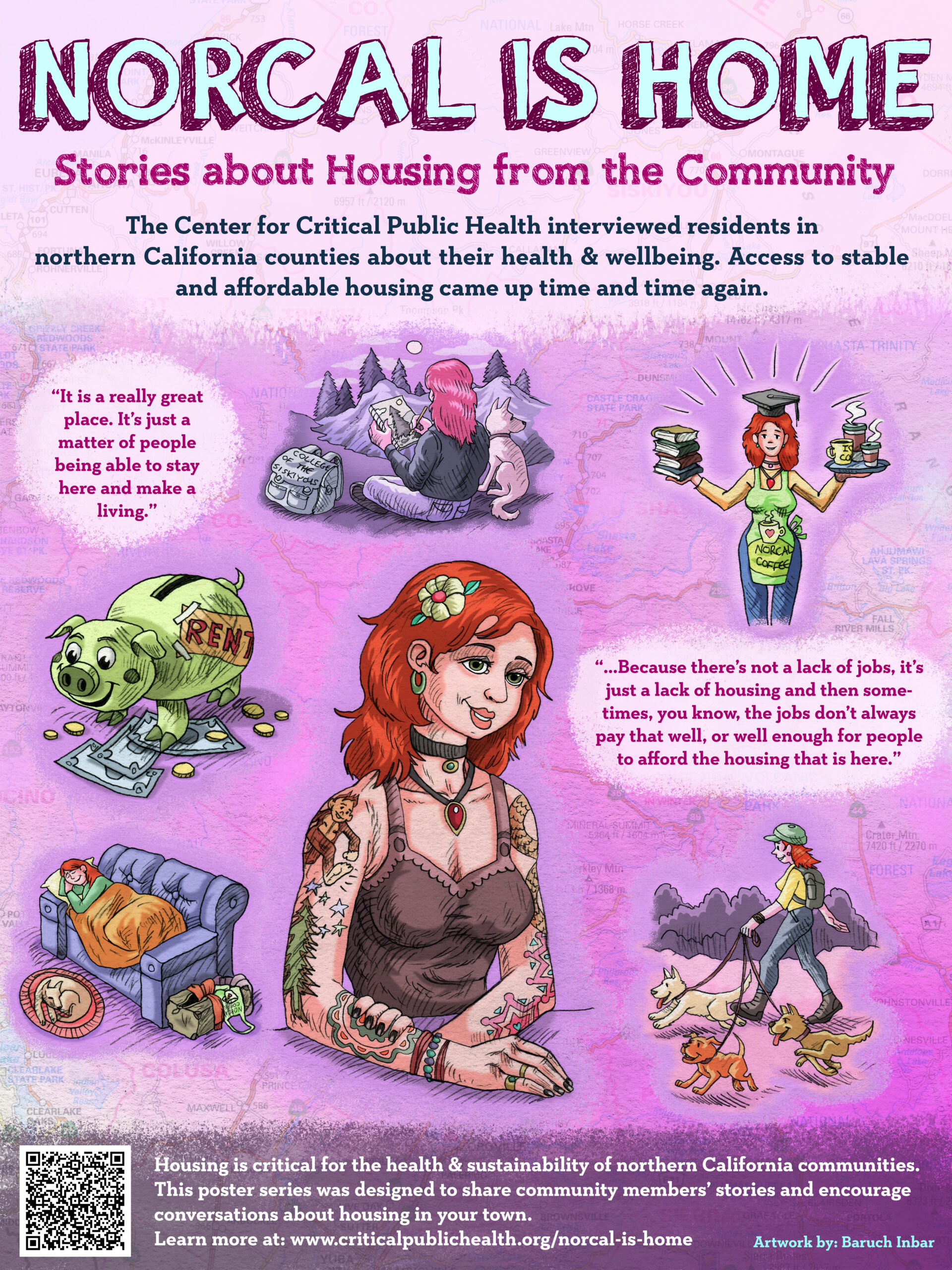
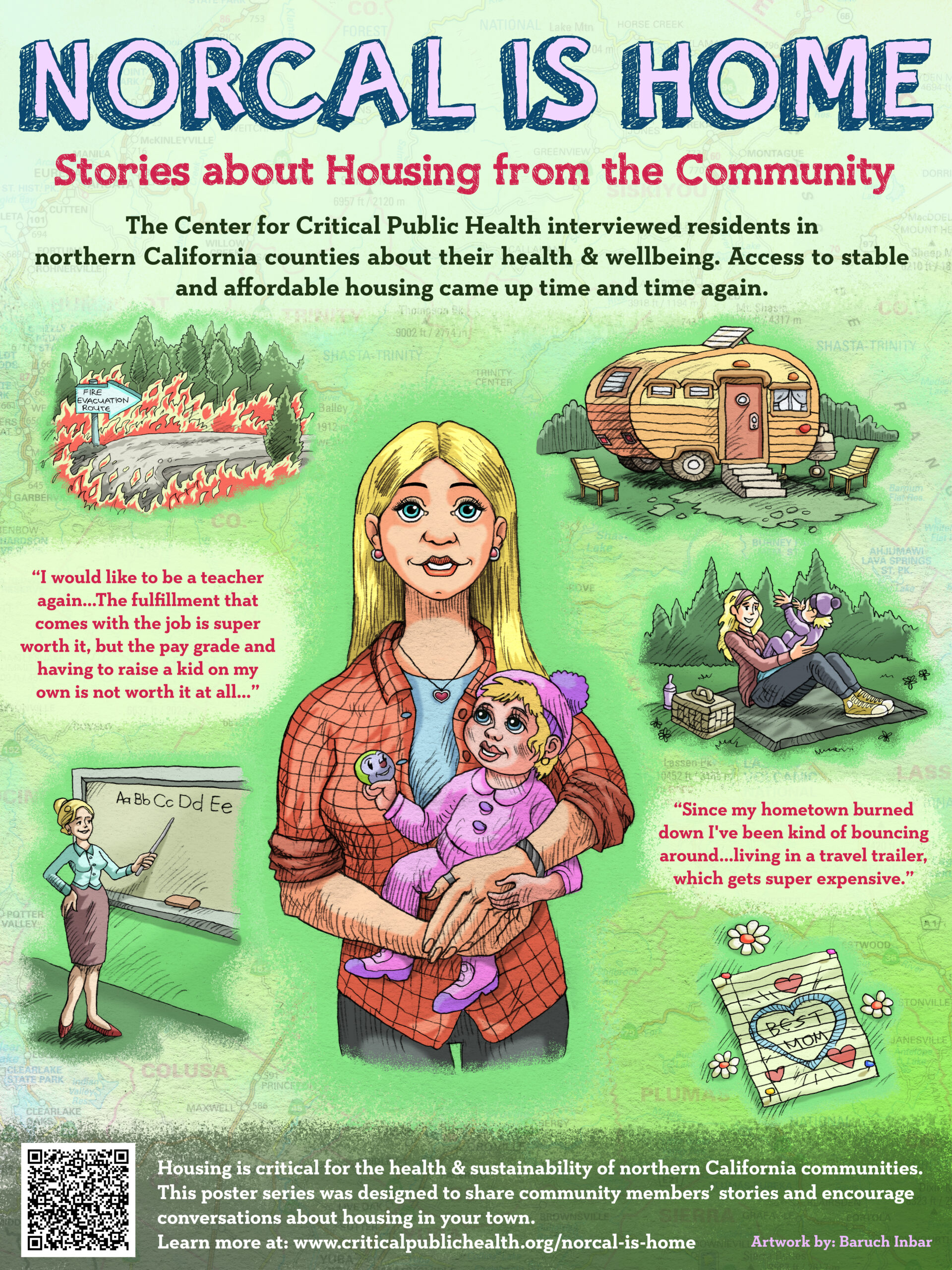
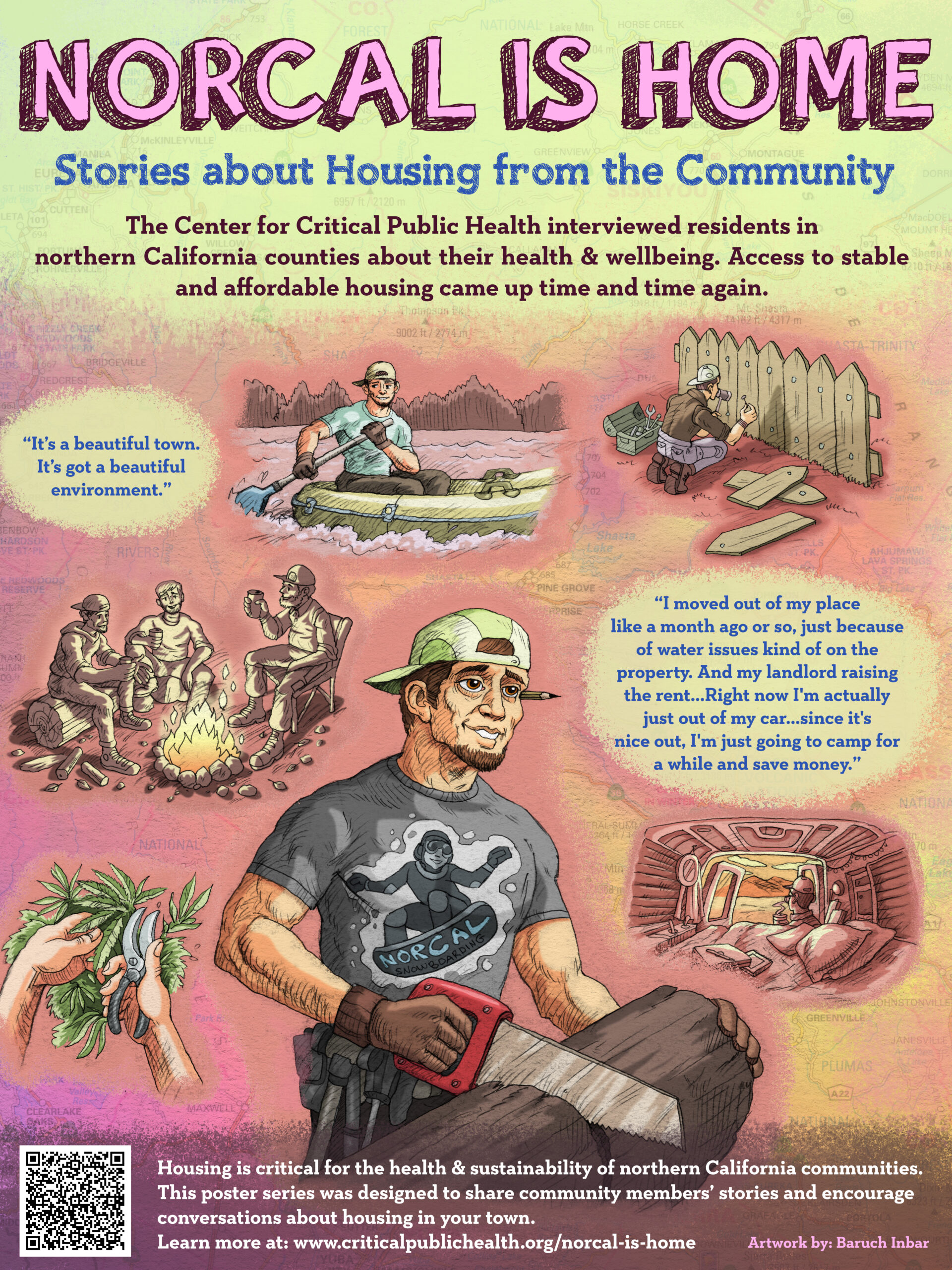
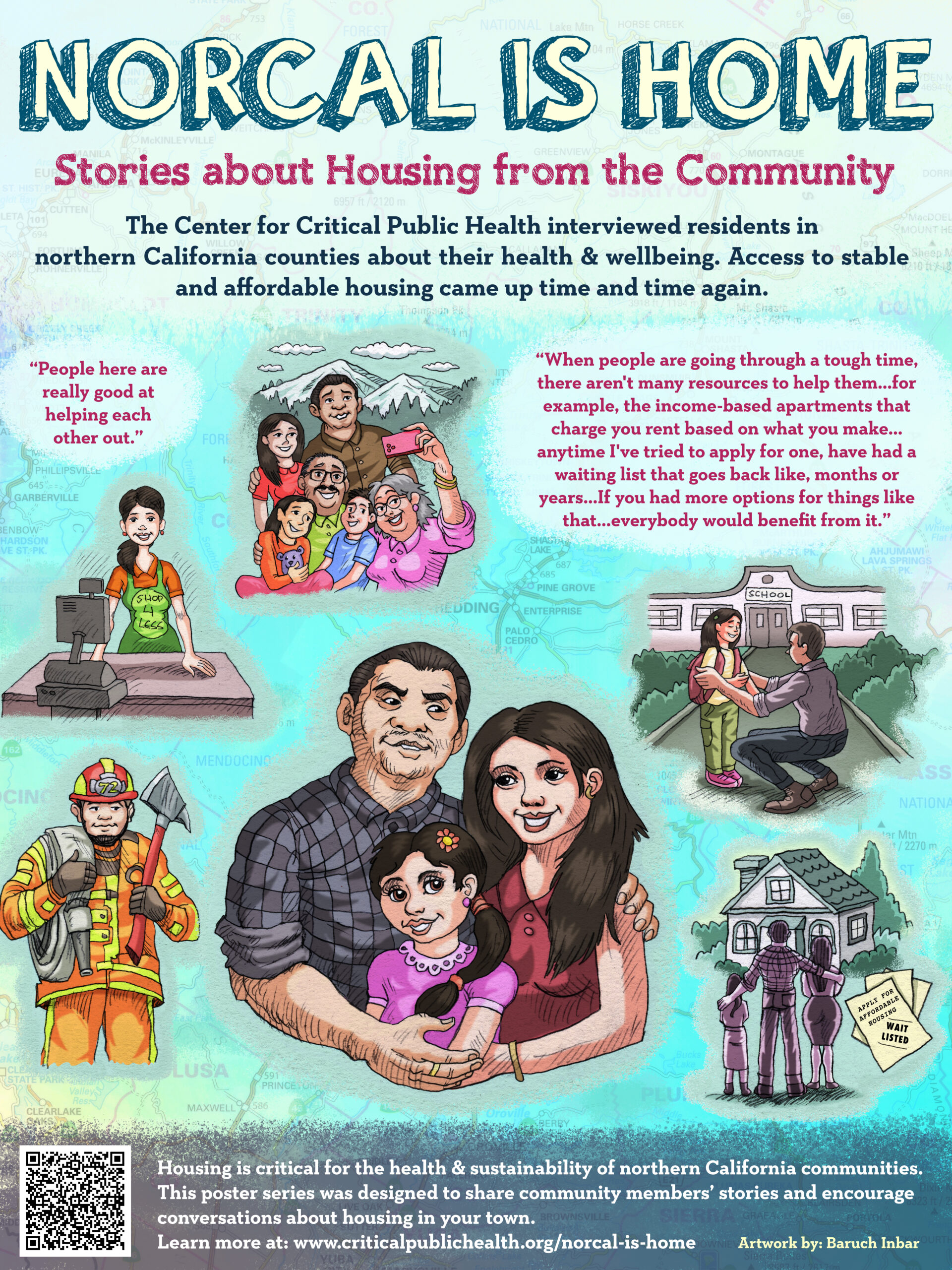
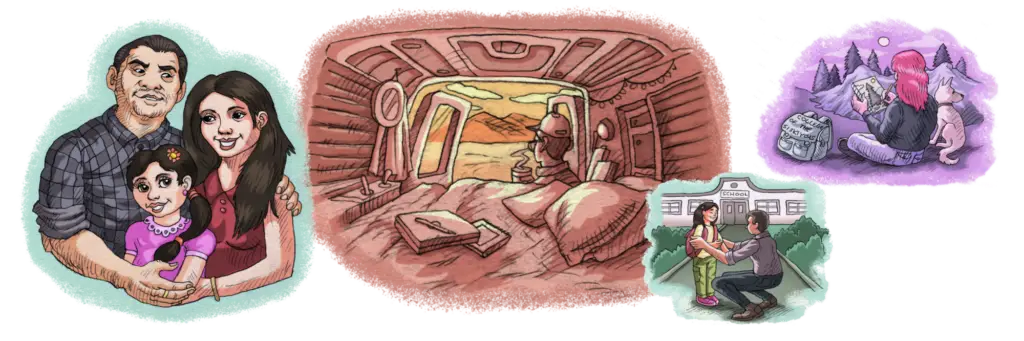
For the rural housing project — eventually named “NorCal is Home” — CCPH interviewed 153 young adult residents across rural Northern California counties about the intersection of housing and well-being. What emerged was a finding that cut across the complexity of the data: in rural communities, access to stable and affordable housing was a fundamental barrier to health. This wasn’t a story the field had told well. Most research on housing shortages focuses on urban areas. CCPH was determined to document the nuanced, often overlooked reality of rural communities, and to do so in a way that moved beyond simplistic narratives of “rural decline.”
For the tobacco harm reduction study, CCPH engaged 100 LGBTQIA+ young adults in the San Francisco Bay Area to understand their relationship with nicotine and tobacco and to build a deeper understanding of how harm reduction strategies were being used.
In both cases, the research was rigorous and the findings were meaningful. The challenge was getting them out of the journal and into the hands of the advocates, policymakers, and community members who could act on them.
Health+ Studio partnered with CCPH across both projects, taking on the work of translating research findings into a more accessible narrative to engage a broader audience. The goal in each case was the same: to humanize complex, intertwined issues, move public discourse away from stereotypes, and create materials that could bridge the gap between academic research and on-the-ground advocacy.
The approach began not with design or messaging, but with listening. For the NorCal is Home project, Health+ Studio conducted interviews with local housing advocates and community members to determine the most effective ways to frame the research before a single creative decision was made. For the tobacco harm reduction project, the team worked closely with CCPH and their ten-member Community Advisory Board to ensure the creative process accurately captured both the study results and the lived experiences of research participants.
In both cases, the community was treated not as an audience to be informed, but as active collaborators in determining how the story should be told.
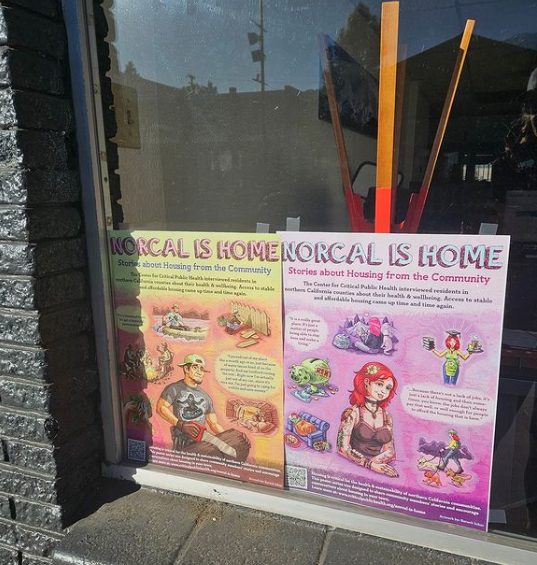
The NorCal is Home project culminated in an eye-catching poster series developed in collaboration with a local artist – a deliberate choice. We believed that an artist already embedded in the community would produce materials that authentically reflected residents’ experiences and invited genuine engagement. The visually engaging illustration style drew people in and helped them understand the multi-dimensional challenges of housing instability without relying on clinical language or statistical abstraction. Rather than focusing solely on hardship, the posters told more complete stories — ones that included, but were not exclusively focused on, housing challenges. Four distinct personas were developed to reflect the range of lived experiences captured in the research.
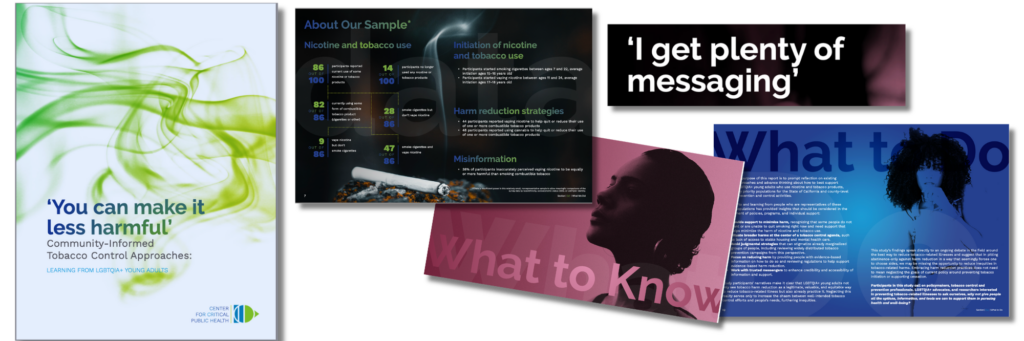
The tobacco harm reduction project took a different form but pursued the same goal. Health+ Studio designed a visually engaging report titled You Can Make It Less Harmful, crafting a narrative that illuminated the lived experiences of LGBTQIA+ community members while educating readers about harm reduction strategies. The report was purposefully structured so that it could be shared in its entirety or broken into modular pieces for use as social media posts — designed, from the start, for reach.
By treating community members as the experts of their own lives, Health+ Studio successfully transformed CCPH’s academic insights into strategic community action across both initiatives.
The “NorCal is Home” campaign made the connection between housing challenges and health-related issues visible, empowering local housing advocates to successfully convene town halls and shift the conversation around affordable housing initiatives. Similarly, the tobacco harm reduction project armed LGBTQIA+ health and tobacco harm reduction advocates with the accessible, visually engaging materials they needed to champion nuanced, community-informed approaches to tobacco control.
By providing clear expertise in framing, storytelling, and design, Health+ Studio built permanent capacity for CCPH to reach beyond academia. Reflecting on the collaboration, Em from CCPH noted: “Working with Health+ Studio allowed us to create a beautiful science communication report that we are proud and excited to share with everyone from research participants and the general public, to fellow researchers and policymakers”.
Posters from the NorCal is Home Project: